


Builder – Jimi on Palcall development
Jimi
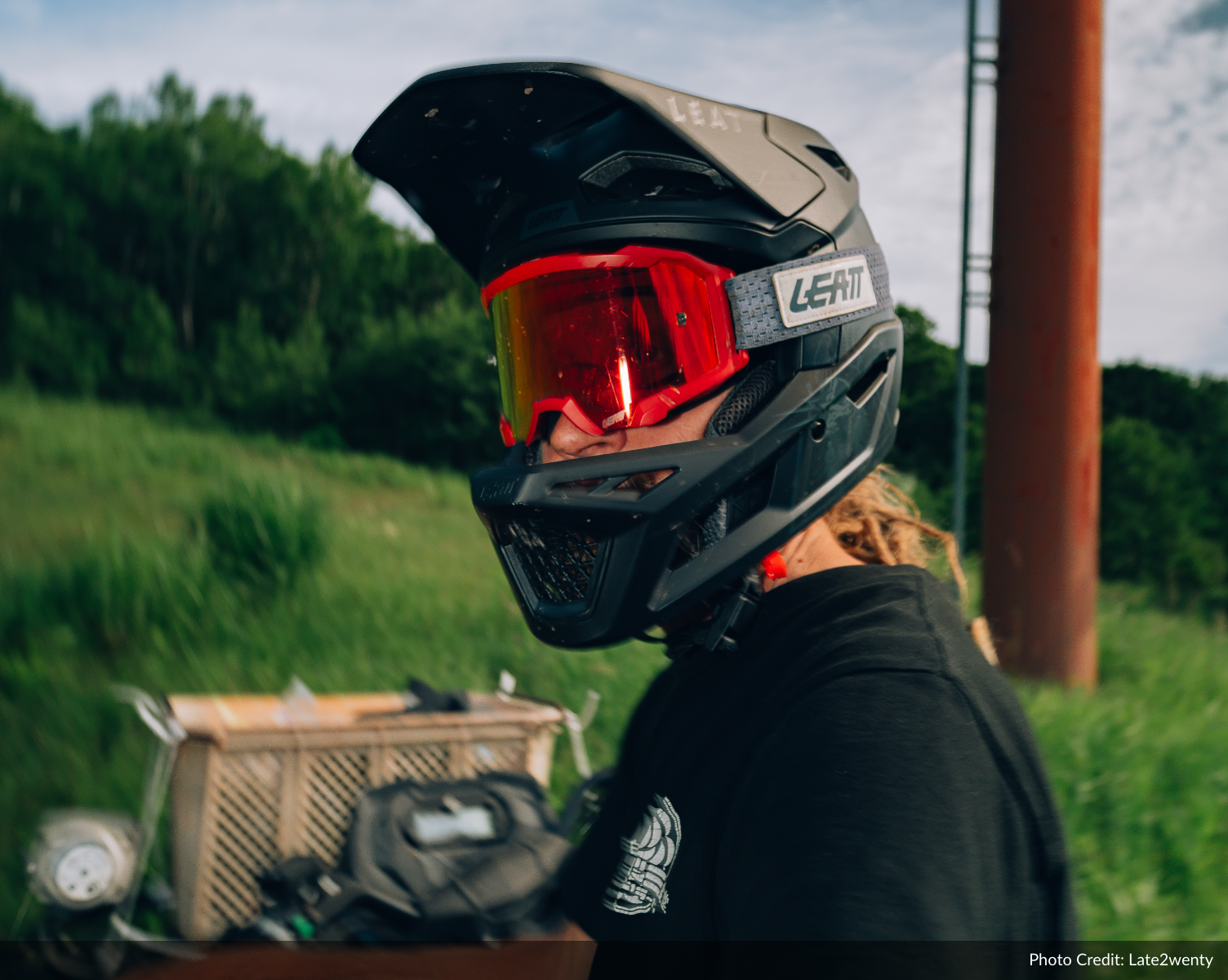
Head trail builder Jimi has been shaping the flow and features of Palcall Tsumagoi’s mountain bike park, transforming its challenging terrain into a world-class riding destination. We sat down with him to discuss everything from his landscape background and design philosophy to the unique difficulties of building trails on the mountain, what ‘sustainable trail building’ really means, and where he sees the sport and its trails heading next.
1. Origin & Motivation
What first drew you into trail building, and how did you end up working at this park?
I come from a nice patch of mountains and have always ridden. Finding wallaby trails out back of home and opening them up a little bit with secateurs and machetes. Style, maybe move a few bits of sandstone.
Landscaper background and fell into the right place at the right time in Cairns in 2013 , met the right people and got to see a world class operation. Eyes opened.
My Palcall Tsumagoi story started through an acquaintance. I’ve known Paul Chetwynd for almost 30 years and he introduced me to people at the resort.
2. Design Philosophy
When you start designing a new trail, what’s the first thing you think about: terrain, rider flow, difficulty, or something else?
Depends who it’s for.
Beginner, intermediate, advanced.
All similar as you know, very different degrees of success and failure.
But the first thing should always be, will the mountain allow it without the trail being forced upon it?
And will it drain well?
After that one’s imagination and a strength of mind and body to build some things that can take tremendous effort and care.
Aesthetics are paramount and how it is perceived by those that don’t use the trails as intended, but have a vested interest in the mountain’s well being.
3. Rider Experience
How do you balance making trails fun and progressive while keeping them safe for a wide range of riders?
Coming from landscape construction, the only thought is for stability and strength and safety. Having those in mind makes any trail as safe as it can possibly be, up to point.
If the trail is for beginners, then that must be in the forefront of any thought on what to build.
As far as trail progression goes, as the riders develop their skills then they attempt more and more. Keeping themselves safe is 100% their responsibility.
Having said that, we make sure that we don’t waver on the aim of trail, by mixing beginner and intermediate level features in a beginner trail.
4. Terrain & Local Identity
How does the local landscape, soil, and climate shape the way you build trails here compared to other regions?
In all honesty, this place is a nightmare compared to other places!!
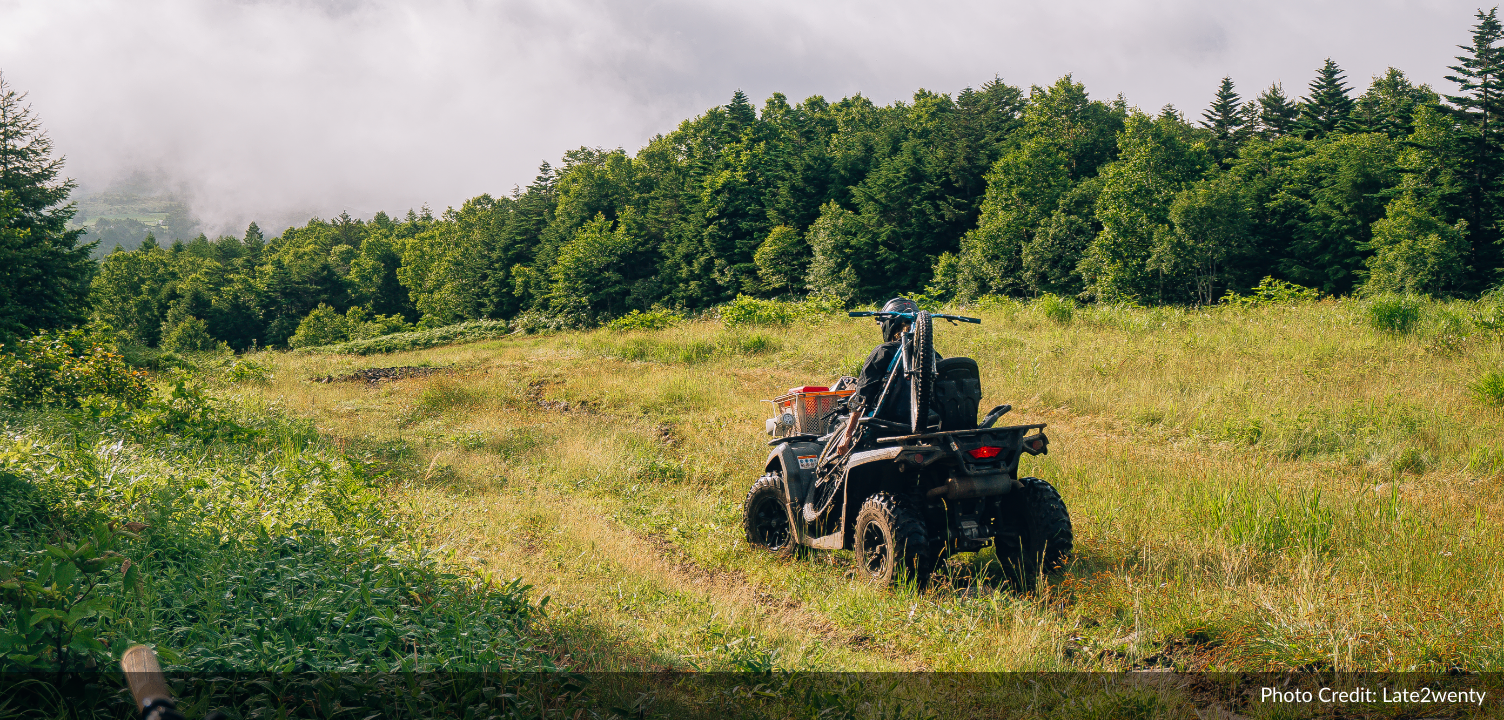
Hahahaha. Down low is not too bad, but from a bit above halfway up, there is almost no dirt to use, all rocks and Sasa roots (a type of alpine bamboo).
So we’d had to address that by bringing in material from other areas of the mountain and placing a trail into the natural environment.
Although it’s been done before, not to this extent in my personal experience.
5. Sustainability & Maintenance
What does “sustainable trail building” mean to you, and how do you build trails that last through heavy use and bad weather?
Sustainable to me means that a trail will stay predominantly dry and firm, and drain well. Before building any trail, always wanna know how much and how heavy the rainfall is. And where the water is in the ground and where it sits.
Adapt to that and a trail should be almost all weather dependent on its surface and gradient.
6. Signature Features
Is there a feature or section on the mountain you’re especially proud of—and why?
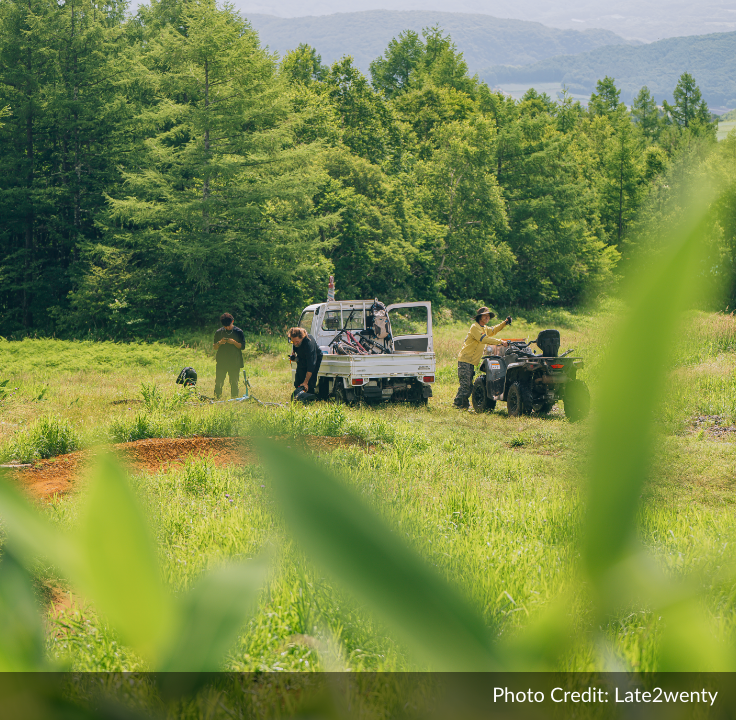
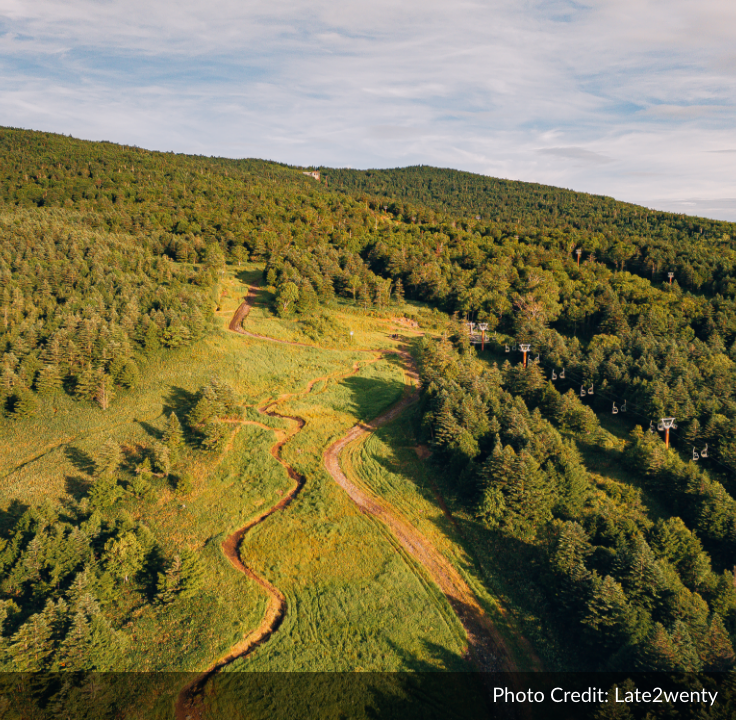
At the moment there’s possibly two places. One would be the new section down between the reservoir and Peter Rabbit. That was the first place Mu my son got on the machine and made a line I requested from him. He learnt a lot from that, and the customers liked it, which is the goal. I like it because it stands up to the weather well.
The other place, which is still a work in progress is the top section deep in Sasa. As the Sasa gets stripped away, we are unveiling a beautiful mossy forest that is incredibly picturesque.
And as it will be a feature of the top section of a very long beginner trail, some of the rest areas are sublime.
7. Evolution of Trails
How do you decide when a trail needs to evolve or be rebuilt as rider skills and bike technology change?
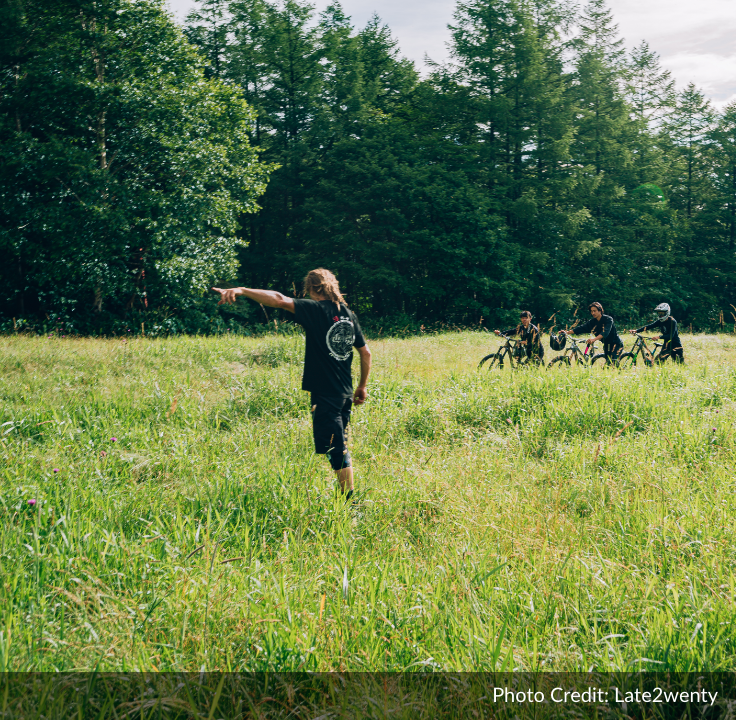
Feedback from those riding the trails. Our own personal riding experiences and most importantly, seeing how the next generation are riding the trails. When they are getting too easy for the youth, make it harder.
8. Feedback Loop
How much rider feedback influences your work, and what’s the most common thing riders don’t realize about trail design?
Rider feedback as far as a park goes is pretty important, if they don’t like something or find something dangerous, you need to address it immediately. They pay the bills. Keep them happy.
Most riders probably don’t realize how much thought , especially about drainage and rider safety, goes into any trail. Those that build it do it for fun, and the passion that goes with loving the energy. But it always takes a lot of hard work to make a stable , reliable and safe trail.
9. Challenges of the Job
What’s the hardest part of trail building that people outside the industry rarely see or understand?
The sweat. Dirt. Blood.
Sweaty.
Machines are immensely powerful and useful, but they don’t make the trail.
A lot of people want to build trails , but the effort needed can destroy egos.
10. Advice & Future
What advice would you give to someone who wants to become a professional trail builder, and where do you see trail design heading in the next 5–10 years?
If you’re looking to start, be physically and mentally ready for something different.
All day in the mountains, be prepared to be alone a lot . And don’t cut corners, the trail won’t last.
Have experience in all facets of digging, tree lopping, drainage, landscaping, plants (some plants can cause immense pain)
But most importantly, be able to ride what you make, and love doing it with deep passion and respect for the mountains and the ride as an adventure not a job.
Next 5-10 years…. Wow, the progression lately has been insane. My 13 year old sends bigger jumps than we could have dreamed of when I was 13! The technology in the bikes, and the way kids are growing up watching and progressing so fast it’s awesome to think what some may be doing soon. I just hope I can still build big enough to keep sending it with them.

