



Why Grassroots Matters: Growing Mountain Biking One Rider at a Time
Why Grassroots Matters:
Growing Mountain Biking One Rider at a Time
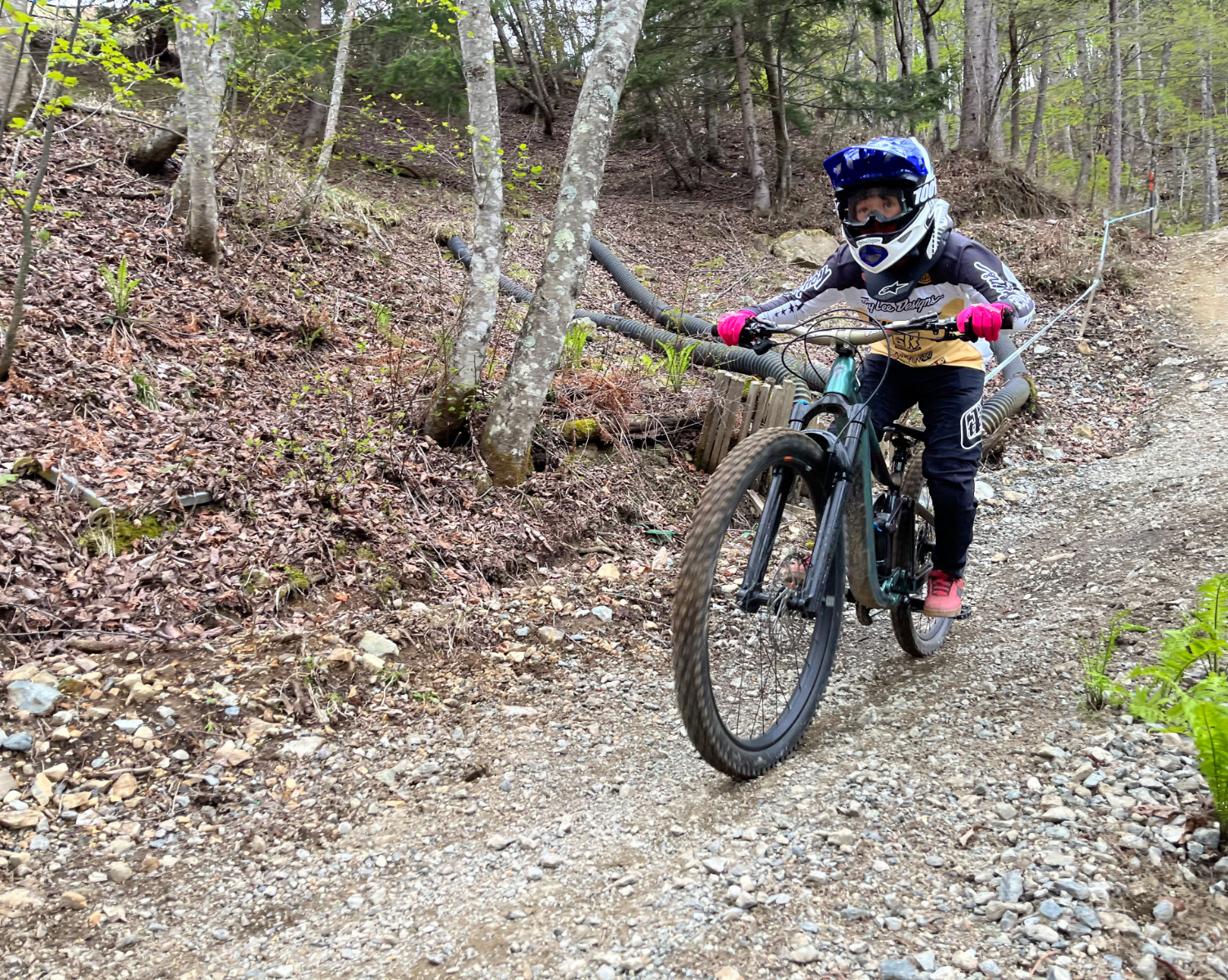
Mountain biking often celebrates its fastest riders. Race results, podiums and national champions naturally attract attention, but the long-term health of the sport depends on something much simpler: getting more people onto bikes and onto trails.
In Japan, where world-class riding destinations exist from Hokkaido to Kyushu, mountain biking remains a relatively small community. For many people, the challenge isn’t a lack of interest. It’s knowing where to start.
That is where grassroots programs can play an important role.
For Kazuki Shimizu, rider development begins with creating opportunities for people to experience mountain biking for the first time.
“Mountain biking has the power to enrich people’s lives, yet many people never have the opportunity to experience it,” he says.
Many potential riders face the same barriers. They may not know where to ride, who to ride with, or how to develop the skills needed to feel comfortable on the trail. Through beginner clinics, kids’ programs and community events, grassroots initiatives help make that first experience more accessible.
For Shimizu San, some of the most rewarding moments come from seeing newcomers discover the sport for themselves.
“The most rewarding part is seeing the smiles of first-time riders and hearing them say, ‘I want to ride again.’”
It’s a simple measure of success, but perhaps one of the most important. Every rider who returns for a second ride becomes part of the community that keeps local trails, bike parks and riding culture alive.
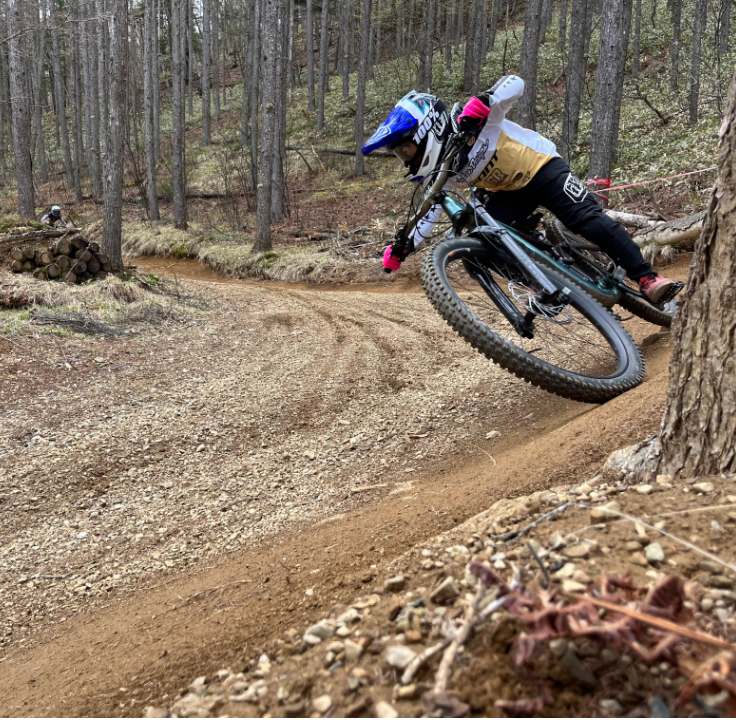
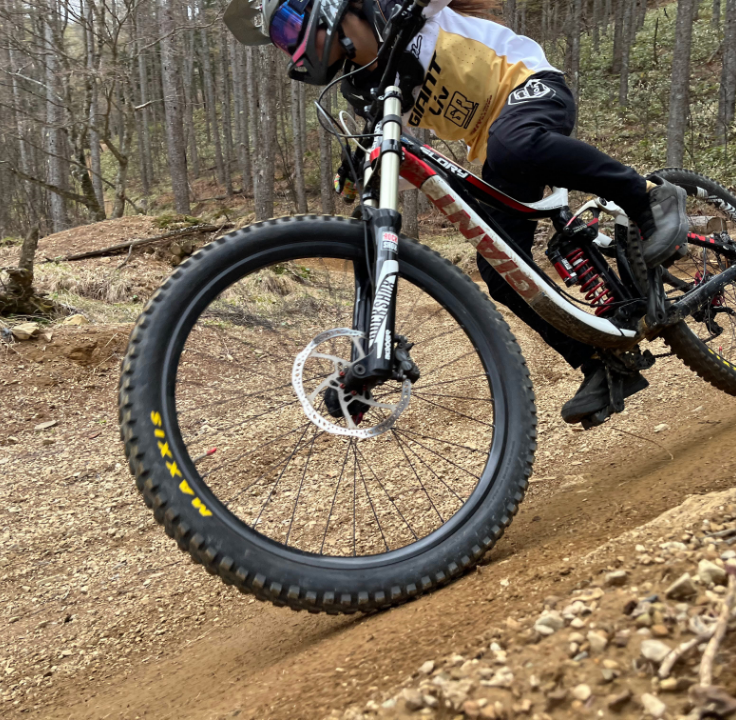
Building Skills That Last
While mountain biking continues to evolve, the fundamentals remain unchanged.
Shimizu San believes that riders of all ages benefit from focusing on the basics before chasing speed or advanced techniques. Braking, cornering, balance and body positioning provide the foundation for long-term progression, whether a rider dreams of racing or simply wants to feel more confident on the trail.
Equally important are the lessons learned away from the bike.
Developing a willingness to learn, reflect and improve helps riders progress over time. Understanding recovery, fitness and healthy habits can support performance, but they also encourage a sustainable relationship with the sport.
It’s an approach that aligns with a broader view of mountain biking—not as a pursuit measured solely by results, but as an activity that can remain part of a person’s life for many years.
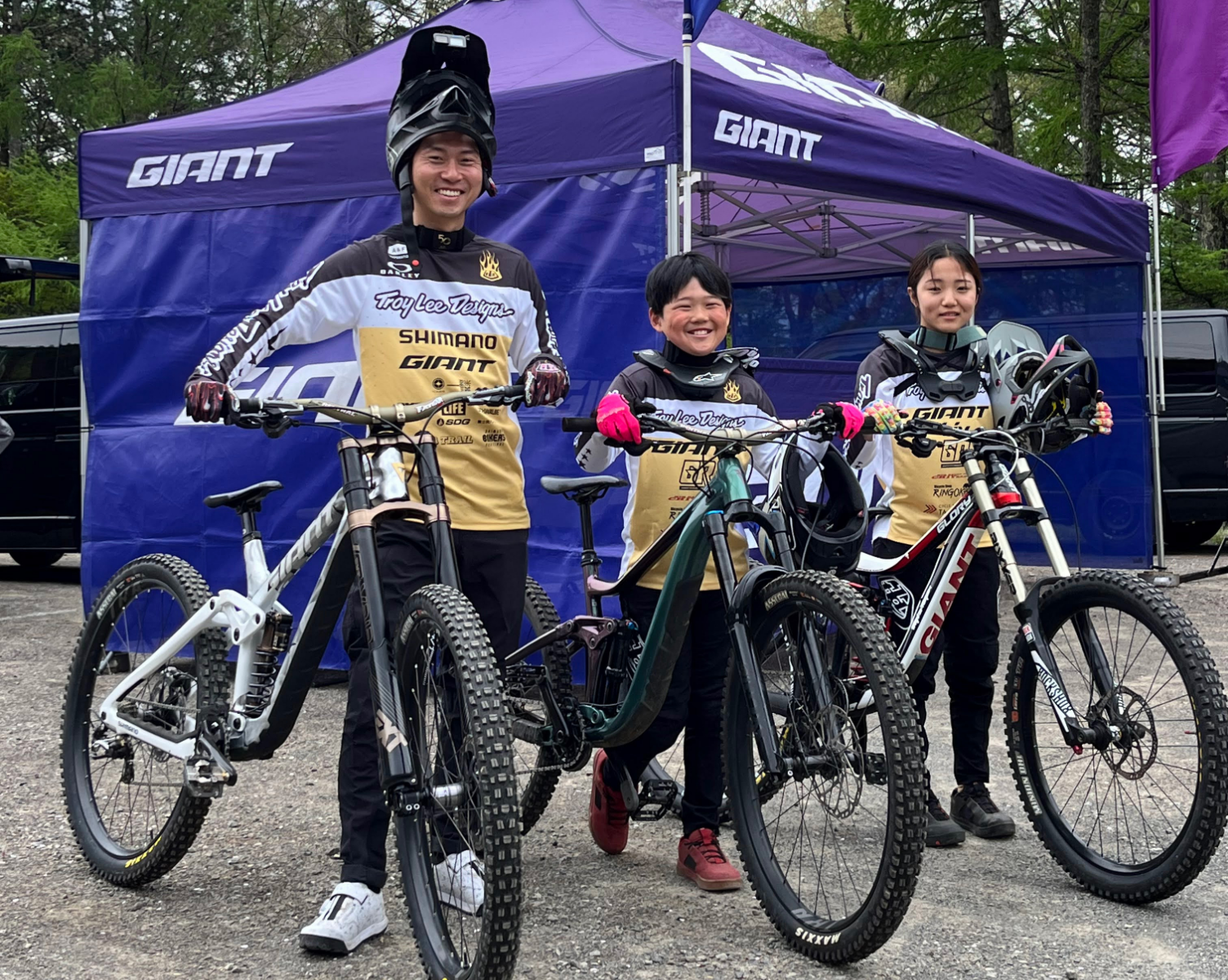
More Than Racing
Grassroots development is often discussed in the context of producing future champions, but Shimizu believes its value goes much deeper.
“To grow the sport, we need more than elite athletes,” he explains. “We need families, recreational riders, and people who simply enjoy being outdoors on a bike.”
That perspective feels particularly relevant in Japan, where riding communities are often built around local trail networks, volunteer efforts and small groups of passionate riders.
The future of mountain biking is not determined only by what happens at national championships. It is also shaped by weekend rides, family outings, local events and the people introducing friends to the sport for the first time.
Grassroots programs help create those connections by bringing riders together in welcoming environments where skills can be developed and friendships can form.
A Community Effect
One of the most encouraging aspects of grassroots riding is seeing how participation can spread beyond the individual.
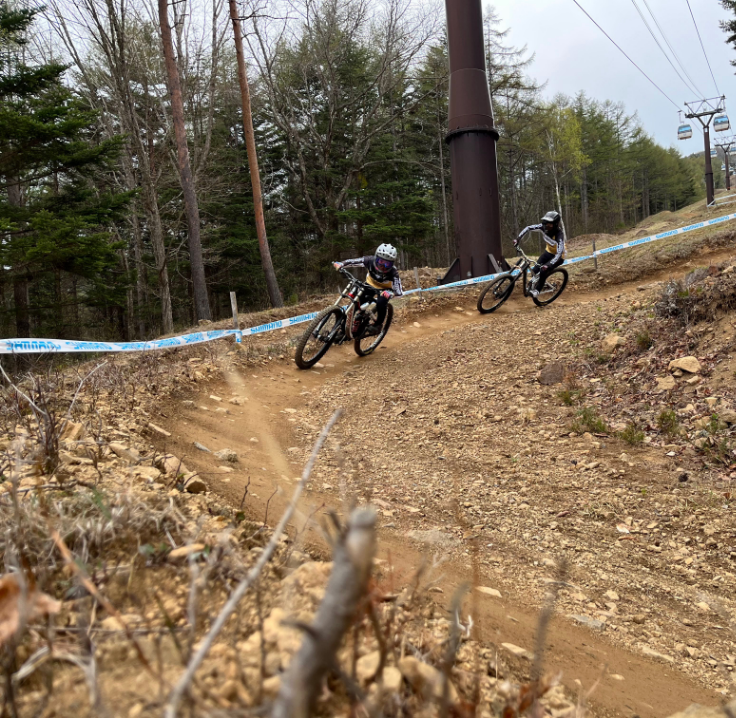
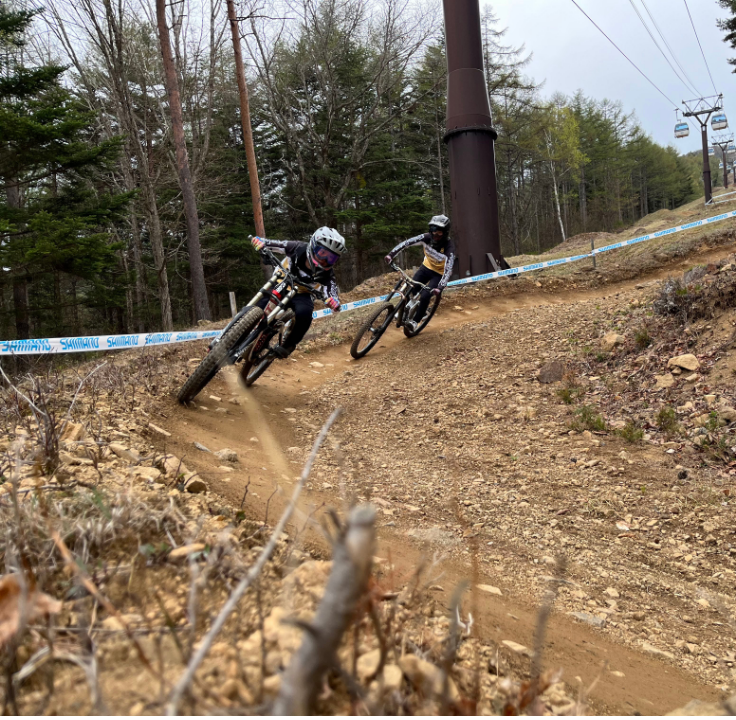
Shimizu San has watched children attend beginner events and return year after year as their confidence and enthusiasm grow. Some eventually choose to race, while others simply continue riding because they enjoy being outdoors.
In many cases, families become involved as well, creating deeper connections within local cycling communities.
“The impact often extends beyond the individual rider,” he says.
That sense of community has long been one of mountain biking’s greatest strengths. Riders share trails, knowledge and experiences, creating an environment where newcomers can feel welcome regardless of their ability level.
Looking Ahead
When asked about the future, Shimizu’s vision is not focused solely on competition.
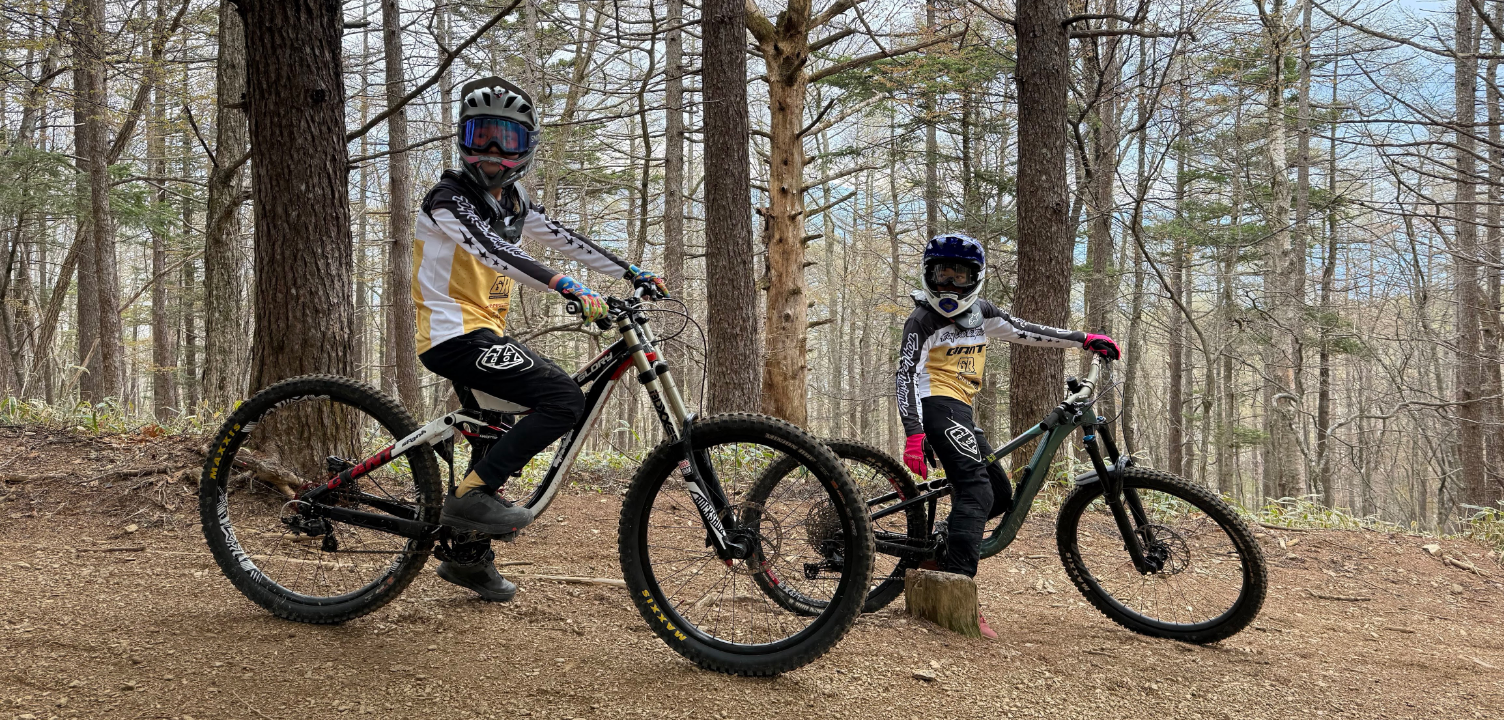
He hopes mountain biking becomes a more accessible and familiar activity for young people across Japan, offering opportunities for adventure, health and a connection with nature.
While success on the international stage remains an aspiration, he believes the sport’s real strength comes from having a broad community of people who continue riding throughout their lives.
Grassroots programs provide a pathway into that future. Through schools, community events, beginner clinics, local races and family-friendly activities, they help ensure that mountain biking remains accessible to new generations of riders.
Because every mountain biker starts in the same place: a first ride, a first trail and the decision to come back for another day on the bike.
Photo Credit Kazuki Shimizu and Giant Grassroots Program

